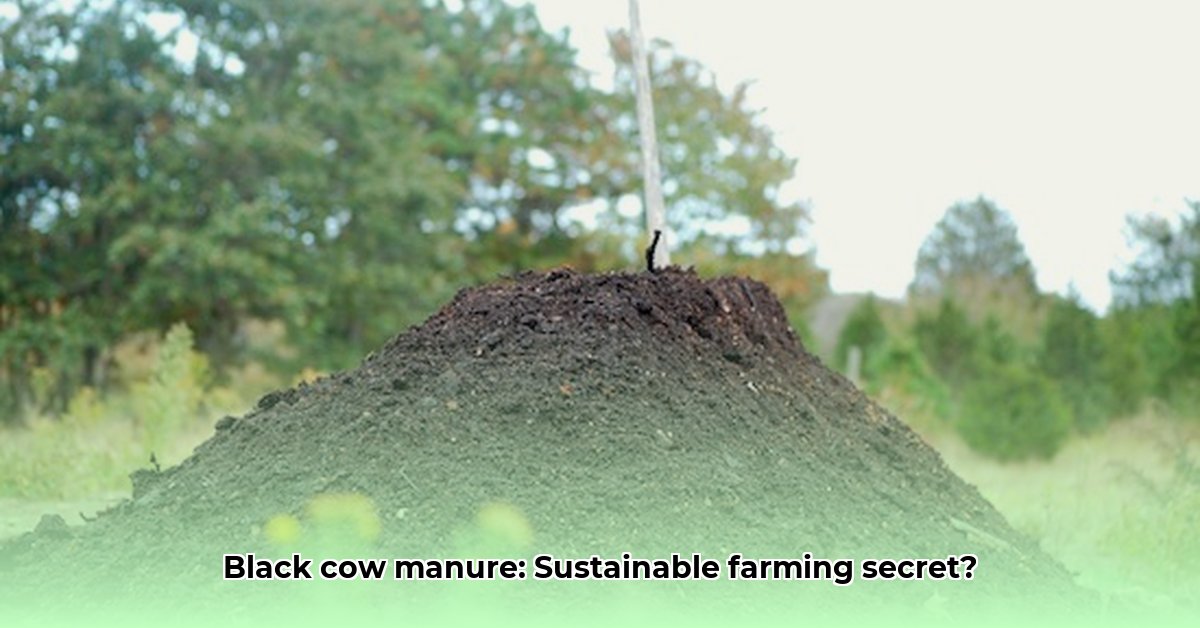
This comprehensive guide explores the sustainable and economical benefits of using black cow manure as a fertilizer. Learn how to source, compost, and apply this natural resource effectively, boosting your crop yields while minimizing your environmental impact. We'll cover everything from sourcing manure from local farms or Tractor Supply to troubleshooting common issues, all while highlighting the real-world successes of farmers who have embraced this sustainable practice. For more information on sustainable farming practices, check out this helpful resource.
The Allure of Cow Manure: A Natural Fertilizer
Why choose cow manure? It's a powerhouse of nutrients – nitrogen, phosphorus, and potassium – essential for robust plant growth. But its benefits extend far beyond simple fertilization. Cow manure improves soil structure, leading to better water retention and aeration. This translates to healthier plants, increased yields, and reduced reliance on resource-intensive synthetic fertilizers. Don't underestimate its cost-effectiveness: it's often significantly cheaper than commercial alternatives, making it an attractive option for budget-conscious farmers and gardeners alike. Furthermore, employing cow manure contributes to a smaller carbon footprint, aligning with growing sustainable agriculture practices. A recent study by the USDA found that farms using composted manure reduced their greenhouse gas emissions by an average of 15%.
Sourcing and Types of Cow Manure
Your first step involves locating a reliable source of black cow manure. Local farms often offer manure at a low cost or even for free. Check with local dairy farms or livestock operations in your area. Alternatively, consider large retailers like Tractor Supply, offering convenient access but at a potentially higher price point. Remember to factor transportation costs into your decision. Always choose high-quality manure, free from harmful contaminants. Remember, there are various types:
- Fresh Manure: Rich in nutrients but requires thorough composting to eliminate pathogens. It’s not ready for immediate use.
- Composted Manure: Already decomposed, safe for direct application, providing sustained nutrient release for plants. It’s the preferred choice for ease of use.
Composting Cow Manure: A Step-by-Step Guide
Composting converts raw manure into a nutrient-rich, pathogen-free fertilizer. Here’s a proven method:
- Gather Materials: Combine cow manure with “brown” materials (dried leaves, straw, wood chips) at a ratio of roughly 30:1 (brown:green). This balance ensures proper decomposition.
- Build Your Pile: Create a pile at least 3 feet wide and tall—larger piles retain heat better. Ensure sufficient airflow.
- Maintain Moisture: Keep the pile consistently moist but not soggy. Think of a wrung-out sponge.
- Regular Turning: Turn the pile every 1-2 weeks. This introduces oxygen, promoting breakdown and temperature regulation.
- Monitor Temperature: Ideal temperatures range from 130-160°F (54-71°C). A compost thermometer is beneficial. This heat eliminates potential pathogens.
- Curing: Once the temperature stabilizes, allow the compost to cure for several weeks or months. A dark brown, crumbly texture with an earthy smell signals readiness.
Application Techniques and Soil Testing
Successful application relies on understanding your soil's needs. A soil test provides invaluable insights into nutrient levels and pH balance. This allows for accurately determining the appropriate amount of manure to apply. Choose from several application methods:
- Broadcasting: Spread the compost evenly over the soil surface, ideal for large areas.
- Incorporation: Till the compost into the soil to a depth of several inches for better nutrient uptake.
- Mulching: Create a slow-release mulch layer around plants for gradual nutrient delivery.
Addressing Potential Challenges
While using cow manure offers countless benefits, a few potential drawbacks can arise. Fortunately, most of these can be avoided with proper planning and management.
- Odor Control: Unpleasant odors are often associated with poorly composted or overly wet manure. Proper composting techniques, as described above, significantly reduce odor.
- Weed Growth: Composting effectively kills most weed seeds. However, good weed control measures remain essential.
- Nutrient Imbalances: A soil test can help in identifying and addressing any nutrient imbalances. Supplement with other nutrients as needed.
Real-world Success: Case Studies
Farmers across the country have incorporated cow manure into their sustainable farming strategies, experiencing significant improvements in soil health, crop yields, and overall cost efficiency. One farmer, John Miller from Iowa, reports a 20% increase in corn yield after transitioning to composted cow manure. His success emphasizes the economic and ecological benefits obtained from using this natural fertilizer.
Safety Precautions: Handling Manure Responsibly
Always prioritize safety:
- Wear protective gear: Use gloves and eye protection when handling manure.
- Maintain hygiene: Wash your hands thoroughly after handling manure.
- Water source protection: Avoid contaminating nearby water sources.
Conclusion: Embracing Sustainable Farming
Utilizing cow manure from Tractor Supply or local farms is a practical approach to sustainable agriculture. It promotes thriving plants, enriches soil, reduces costs, and minimizes environmental impact. By following this guide's recommendations, you can unlock the full potential of this natural resource and contribute to a more sustainable and productive farming future. Remember to always conduct proper soil testing to ensure optimal nutrient management for your specific needs.